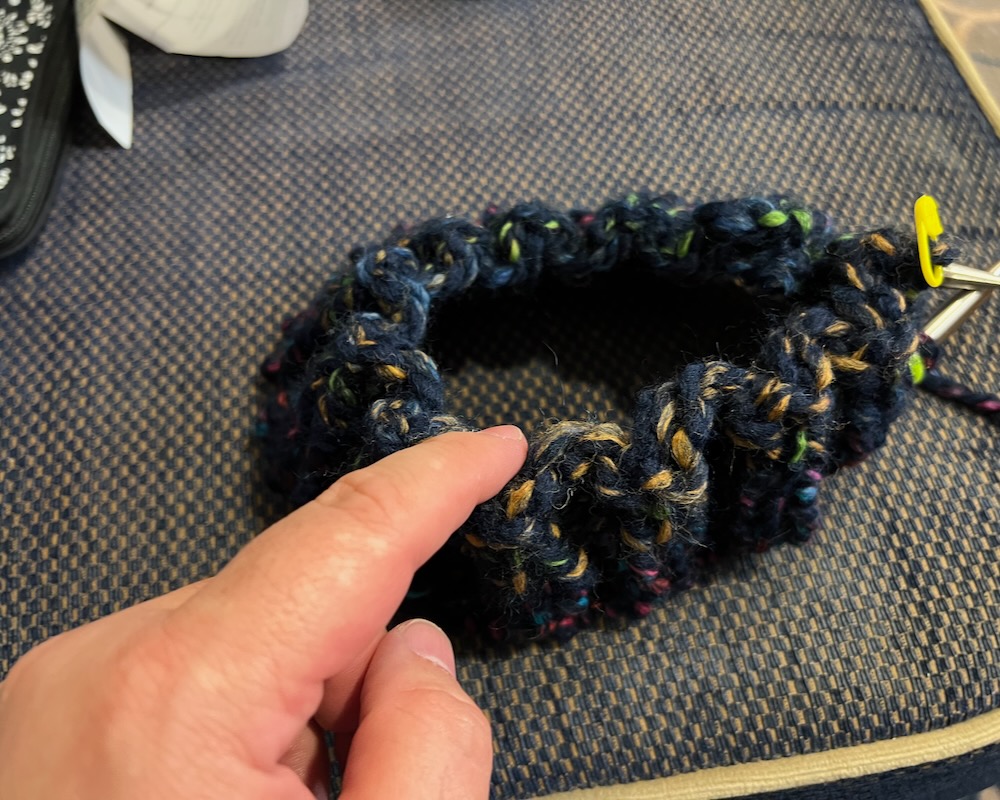
Why There Are More Men Who Knit
If I say 'knitter', what's the first image that comes to mind? Knitting has a surprisingly masculine history, and more men are reclaiming the needles.
If I say “knitter”, what’s the first image that comes to mind? Probably an older woman in a comfy chair working on a winter scarf. It’s a familiar scene, but it’s only half the story. Knitting has a surprisingly masculine history, and more men are reclaiming the needles than you might think.
If you’re curious about trying knitting yourself, here’s how men shaped this craft in the past, what changed, and why more of us are finding our way back to it today.
A Brief History of Men Who Knit
We need to go back to the Middle East around 200 AD. Arabian fishermen developed knitting techniques to make nets that brought food to the table. It was practical, functional, and entirely male-dominated.
In medieval Europe, knitting guilds emerged across France, Germany, and Spain. By the 16th century, Paris had an official knitting guild where becoming a master wasn’t easy. Apprentices trained for years and had to pass rigorous exams testing every stitch and pattern they knew.
In Elizabethan England, fashionable men wore knitted tights and under-armour garments that were both useful and exclusive, crafted by highly skilled male knitters. These artisans weren’t just makers, they were business-minded professionals in a respected trade.
So what changed?
What Happened to Men in Knitting?
The Industrial Revolution transformed everything. In the late 1500s, William Lee invented a knitting frame that produced fabric faster than any human could. Knitting moved from craft to industry, and hand-knitting gradually lost its commercial value.
As machines took over, hand-knitting became a domestic activity. It became culturally coded as “female”, particularly in Western societies. By the 20th century, the stereotype of the older woman knitting by the fire had taken hold.
There were moments when men returned to the craft. During both World Wars, boys and men knitted socks and helmet liners for soldiers. But these periods were short-lived, and post-war consumer culture pushed knitting firmly into the “hobby” category.
Still, there were always men who kept knitting quietly. Designers like Kaffe Fassett helped keep the creative flame burning.
Why Men Are Reclaiming Knitting
When I learned to knit from my mother in the 1980s, I couldn’t have imagined the resurgence we’re seeing today. But it makes perfect sense.
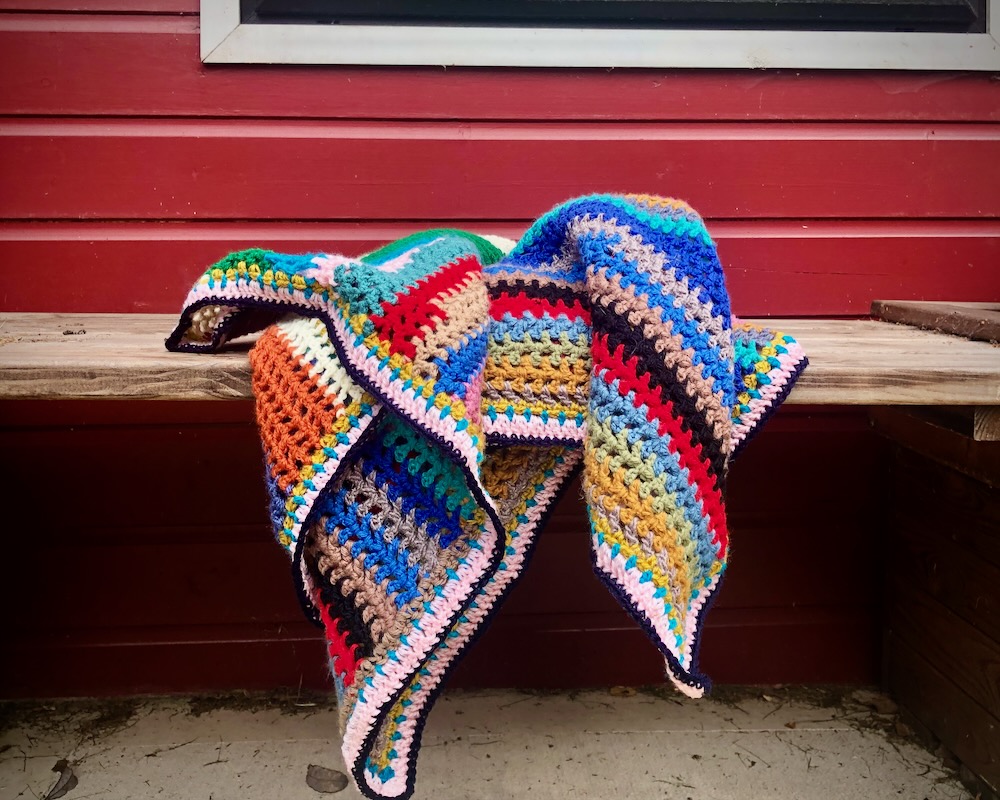
- It’s meditative. The repetitive motions create a flow state that quiets mental chatter. After a stressful day, twenty minutes of knitting resets my mind better than scrolling through my phone.
- It’s creative problem-solving. Every pattern is a puzzle. You’re constantly making decisions about colour, texture, and construction. It scratches the same itch as coding or engineering.
- It produces something real. In our digital world, creating something tangible with your hands feels revolutionary. You start with basic materials and end up with something functional and personal.
- It’s affordable and accessible. You can start knitting for under £10. No gym membership, no expensive equipment, just needles and yarn.
Knitting Role Models: Men Who Stitch
Celebrity knitters have helped normalize the craft. You may well know of Kaffe Fassett, the designer and artist (known both for knitting and quilting fabrics). Alasdair Post-Quinn is well-known for double-knitting and geometric designs.
In the UK, the Olympic Medallist Diver, Tom Daley has become known for his pool-side knitting, helping to shatter some normative barriers along the way! Ryan Gosling learned to knit on a film set and called it the perfect way to relax. Russell Crowe picked it up to manage anger.
Breaking the Public Knitting Barrier
The biggest hurdle for many men is simply being seen knitting in public. I get it. It took me years to feel comfortable knitting on trains or in cafés.
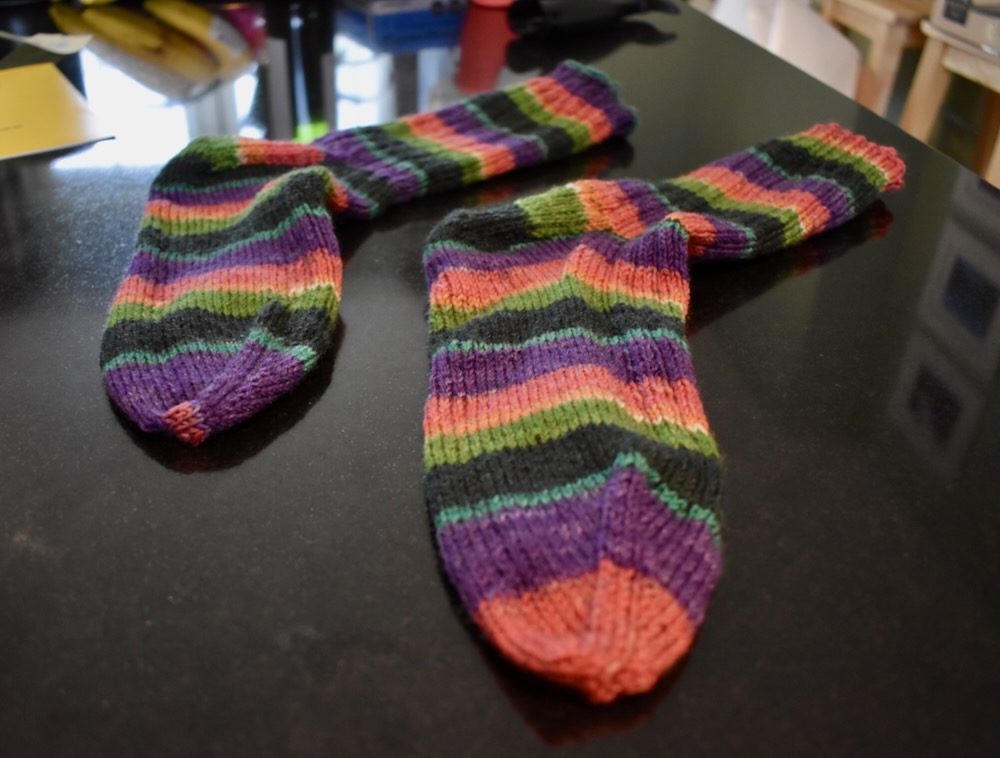
What helped was realizing that people are mostly curious, not judgmental. They ask what you’re working on or share stories about knitters in their own lives. I’ve had more interesting conversations sparked by my knitting than by staring at my phone.
Finding community made the difference. Men’s knitting groups exist in most cities, and online communities like Ravelry have thousands of male members sharing projects and tips.
There’s also a quiet rebellion in all this. When men knit openly, we chip away at outdated stereotypes and make space for others to do the same.
How to Get Started
If you’re curious, here’s your roadmap:
- Start with something simple. A scarf or beanie teaches you the basic stitches without overwhelming complexity. My first project was a simple garter stitch scarf-boring but confidence-building.
- Choose the right tools. Go for medium-sized needles (US size 8 to 10) and worsted weight yarn. Bamboo needles are ideal for beginners because they grip the yarn better and prevent dropped stitches.
- Use online resources. YouTube has excellent beginner videos. The website Ravelry offers free patterns and an active community of 9 million knitters.
- Practice regularly. Even 10 minutes a day builds muscle memory. The more you knit, the more automatic it becomes.
- Find your people. Whether it’s a local group or online forum, community makes learning more enjoyable and helps when you get stuck.
- Embrace mistakes. Every dropped stitch is a learning opportunity. I still make mistakes on complex patterns, and that’s part of the fun.
Final Thoughts
Knitting is back, and it’s for everyone. The rise in men who knit is part of a bigger shift that questions old gender roles and makes space for creativity, focus, and connection.
If you’ve ever been curious about giving it a try, there’s no better time. Pick up a pair of needles, find yarn that sparks your interest, and see where it leads.
Creativity is human. It belongs to all of us.

Patrick Hughes
Writing about craft, philosophy, and the places where textile traditions live. Based in the north of Ireland, near Slieve Gullion, where the gorse blooms yellow against grey stone.
Receive Essays & Updates
Occasional thoughts on craft, philosophy, and textile traditions. Usually once a month.
I respect your inbox. Unsubscribe anytime.